
|
Getting your Trinity Audio player ready... |
Table of Contents
Why Winter Turns Your Skin Into a Desert
Let me guess: it’s mid-winter, your skin feels like sandpaper, and you’re wondering if there’s a magic ingredient that can save you from looking dull and dehydrated.
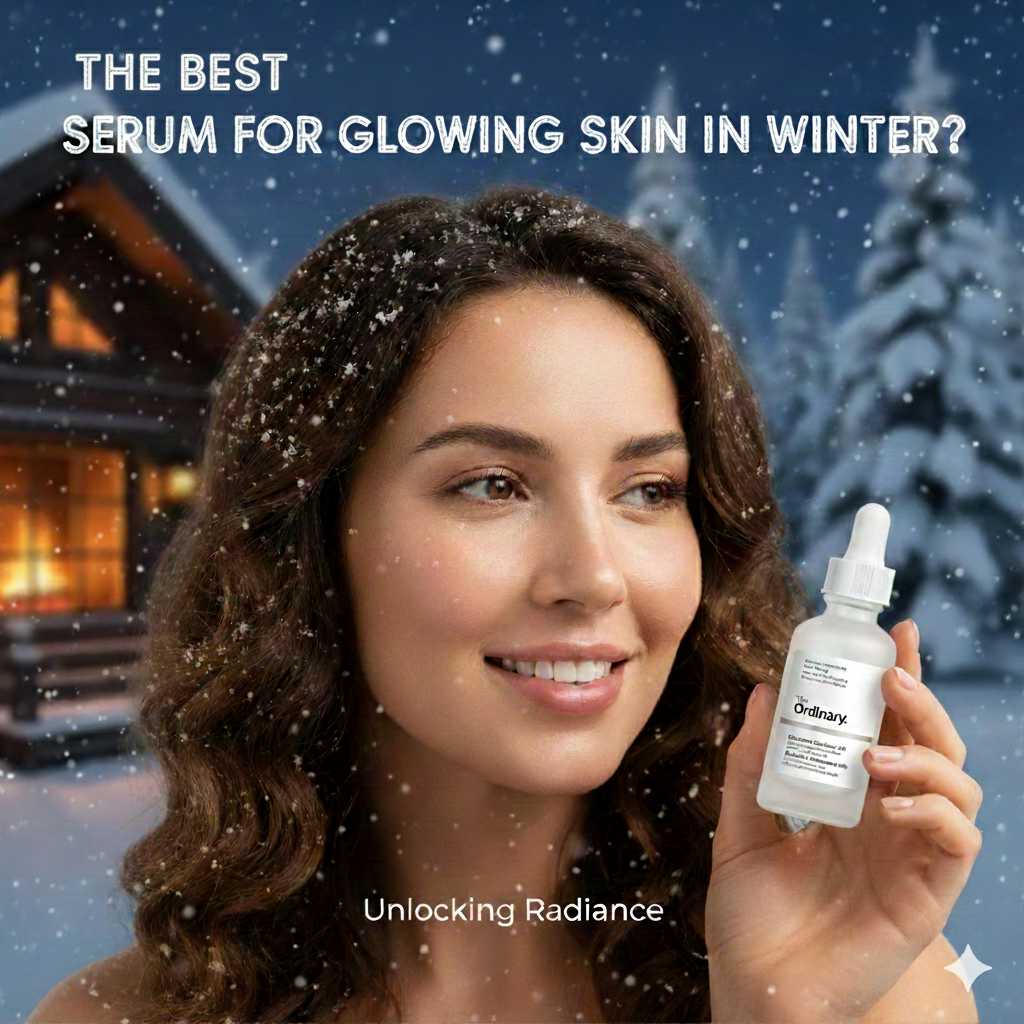
You’ve probably heard about hyaluronic acid everywhere. Your friend swears by it. Beauty influencers rave about it. But is hyaluronic acid really the best serum for glowing skin in winter, or is it just another overhyped skincare trend?
Here’s the truth from someone who’s been in the skincare industry for over seven years: hyaluronic acid isn’t magic, but it’s pretty damn close when it comes to winter hydration.
Let me explain why your skin goes into crisis mode when the temperature drops, and how understanding hydration levels and moisture retention can completely transform your cold weather skincare routine.
What Actually Happens to Your Skin in Winter
Winter creates a perfect storm for your skin. The cold air outside has low humidity, which means less moisture in the atmosphere. Then you step inside to heated rooms that literally bake the remaining moisture out of your skin.
This double assault on your skin’s lipid barrier leads to:
- Dehydrated skin that looks dull and feels tight
- Fine lines that suddenly seem more visible
- Flaky patches that makeup won’t cover
- That uncomfortable feeling of your skin “pulling”
Your epidermis health suffers because environmental factors are working against your skin’s natural ability to retain water. This is where the benefits of hyaluronic acid become genuinely game-changing.
Understanding Hyaluronic Acid: The Science Made Simple
So, what is hyaluronic acid? It’s not actually an acid that exfoliates like glycolic acid or lactic acid. It’s a humectant, a molecule that attracts and holds water.
Here’s the impressive part: hyaluronic acid can hold up to 1,000 times its weight in water. Think of it like a tiny sponge in your skin, grabbing moisture from the air and pulling it into your skin cells.
The molecular weight of hyaluronic acid matters too. Different sizes penetrate different layers of your skin:
- Low molecular weight: Penetrates deeper into the dermal layers
- Medium molecular weight: Works in the middle layers
- High molecular weight: Sits on the surface, providing immediate plumping
The best serums for winter typically contain a mix of all three sizes for comprehensive deep hydration.
Does Hyaluronic Acid Help Dry Skin in Winter?
Absolutely, but there’s a catch that most people miss.
Hyaluronic acid works by drawing moisture into your skin. In winter, when humidity is low, it needs moisture to draw from somewhere. If you apply it to completely dry skin in a dry environment, it can actually pull water out of your deeper skin layers, making dryness worse.
The solution is simple: apply hyaluronic acid to damp skin, then seal it in with a moisturizer or facial oil. This layering technique ensures you’re getting optimal hydration without the downside.
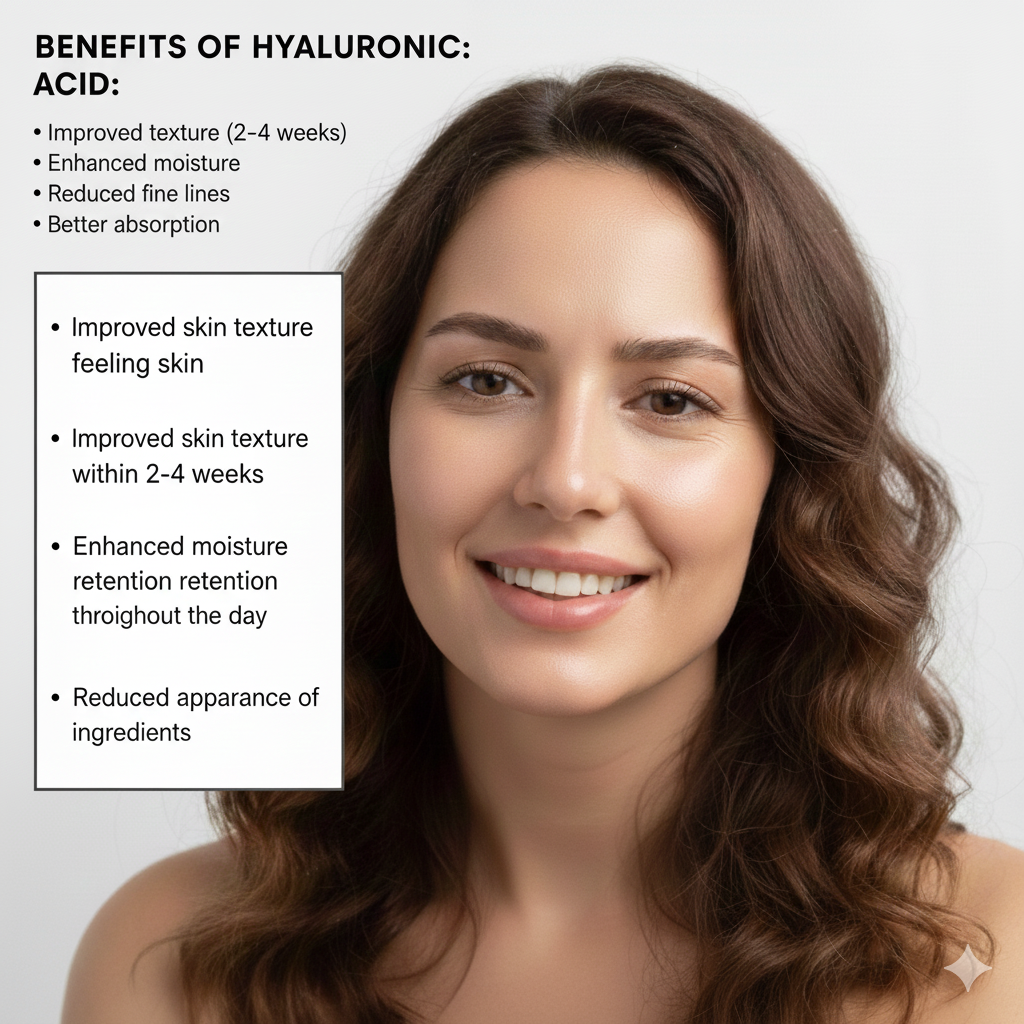
Clinical studies have shown that when used correctly, hyaluronic acid provides:
Hyaluronic Acid vs Other Popular Ingredients
People often ask: should I use hyaluronic acid or something else? Here’s how it compares to other trending ingredients:
Hyaluronic Acid vs Vitamin C for Glowing Skin
Both are excellent, but they do different things:
- Hyaluronic acid: Focuses on hydration and plumping
- Vitamin C: Targets brightening and antioxidant protection
My recommendation? Use both. Apply vitamin C in the morning for its brightening and protective benefits, then layer hyaluronic acid over it for hydration.
Hyaluronic Acid vs Retinol
These aren’t competitors, they’re teammates:
- Retinol: Works on collagen production, elastin production, and anti-aging
- Hyaluronic acid: Provides the hydration retinol users desperately need
If you’re using retinol, hyaluronic acid is essential for preventing the dry skin solutions that most retinol users need.
How to Apply Serums for Maximum Winter Glow
The application method makes a massive difference in results. Here’s the exact routine I recommend:
Step 1: Cleanse your face (ideally with a gentle, non-stripping cleanser)
Step 2: While your skin is still damp this is crucial apply 2-3 drops of hyaluronic acid serum
Step 3: Gently press it into your skin rather than rubbing. This helps it absorb better.
Step 4: Wait 30-60 seconds, then apply your moisturizer or facial oil to seal everything in
Step 5: In the morning, don’t forget sun protection even in winter
For a complete winter skincare routine using hyaluronic acid in Australia, you might structure your daily skincare routine like this:
Morning:
- Gentle cleanser
- Hydrating toner (optional)
- Hyaluronic acid serum on damp skin
- Vitamin C serum (optional)
- Lightweight moisturizer
- SPF 30+
Night:
- Oil-based cleanser or cleansing balm
- Water-based cleanser
- Exfoliation (2-3x per week)
- Hyaluronic acid serum on damp skin
- Treatment serum (retinol, niacinamide, etc.)
- Rich moisturizer or night cream
Best Hyaluronic Acid Serums in Australia
Here are my top recommendations for different budgets and skin types:
Budget-Friendly Options (Under $25 AUD)
The Ordinary Hyaluronic Acid 2% + B5
This is the best hyaluronic acid serum under 25 AUD. It contains multiple molecular weights and vitamin B5 for extra hydration support. Available at Priceline, Adore Beauty, and online.
CeraVe Hydrating Hyaluronic Acid Serum
A solid drugstore option that includes ceramides for extra skin barrier support. The CeraVe hyaluronic acid serum review in Australia is consistently positive. Find it at Chemist Warehouse and Priceline.
Mid-Range Picks ($25-$60 AUD)
Neutrogena Hydro Boost Hyaluronic Acid Serum
Lightweight, non-comedogenic, and perfect for combination skin. Great for oily skin solutions too, as it’s gel-based.
La Roche-Posay Hyalu B5 Serum
Contains vitamin B5 and madecassoside for repairing skin barrier. Excellent for sensitive skin solutions.
Premium Options ($60+ AUD)
SkinCeuticals Hyaluronic Acid Intensifier
Contains a proprietary blend that helps your skin produce its own hyaluronic acid. This is a luxury skincare brand favorite among dermatologist recommendations.
Drunk Elephant B-Hydra Intensive Hydration Serum
Combines hyaluronic acid with provitamin B5 and pineapple ceramide. One of the best hydrating serums for glowing skin if you want visible results quickly.
Best Chemist Warehouse Hyaluronic Acid Serums
If you’re shopping at Chemist Warehouse (which I recommend for value), look for:
- The Ordinary Hyaluronic Acid
- CeraVe Hydrating Serum
- Neutrogena Hydro Boost Serum
- Sukin Hydrating Mist Toner (contains hyaluronic acid)
Complete Winter Hydration Strategy
| Element | What to Use | Why It Matters | When to Apply |
|---|---|---|---|
| Cleanser | Gentle, cream-based cleanser | Preserves your lipid barrier | Morning & Evening |
| Toner | Hydrating toner or essence | Preps skin and adds first layer of moisture | After cleansing, on damp skin |
| Serum | Hyaluronic acid serum (multiple molecular weights) | Intensive hydration that penetrates deep | On damp skin, before moisturizer |
| Moisturizer | Cream with ceramides or emollients | Seals in hydration, prevents water loss | After serum absorbs (30-60 seconds) |
| Occlusive | Facial oil or balm (optional, for very dry skin) | Creates protective barrier against environmental factors | Last step at night |
| SPF | Broad-spectrum SPF 30+ | Protects from UV damage even in winter | Every morning, even if cloudy |
| Weekly Treatment | Hydrating mask or gentle exfoliant | Removes dead skin, boosts treatment absorption | 1-2x per week |
Common Mistakes That Make Winter Skin Worse
After helping hundreds of clients with their cold weather skincare, these are the most common errors I see:
Mistake #1: Skipping moisturizer because you “used serum”
Serums provide active ingredients, but moisturizers provide the occlusive layer that prevents water loss. You need both.
Mistake #2: Using hyaluronic acid on bone-dry skin
Always apply to damp skin. Keep a facial mist nearby if your bathroom gets dry.
Mistake #3: Over-exfoliating to fix flakiness
Dehydrated skin gets flaky. Scrubbing it just damages your skin barrier more. Focus on hydration first, gentle exfoliants second.
Mistake #4: Using the wrong molecular weight
If your serum only has high molecular weight hyaluronic acid, it’s only working on your skin’s surface. Look for multiple weights.
Mistake #5: Forgetting the rest of your routine
Hyaluronic acid is excellent, but it works best alongside niacinamide benefits, peptides in skincare, and proper sun protection.
Is Hyaluronic Acid Right for Your Skin Type?
For Dry Skin:
Hyaluronic acid is essential. Pair it with rich moisturizers and consider adding squalane benefits or plant-based oils for extra nourishment.
For Oily Skin:
Lightweight serums with hyaluronic acid are perfect. They provide hydration without heaviness. Look for oil-free serums and water-based formulas.
For Combination Skin:
Use hyaluronic acid everywhere, but adjust your moisturizer lighter on the T-zone, richer on dry areas.
For Sensitive Skin:
Choose hyaluronic acid serums without fragrance, essential oils, or potential irritants. Does hyaluronic acid suit sensitive skin in winter? Yes, it’s generally one of the gentlest active ingredients available.
For Mature Skin:
Hyaluronic acid for mature skin in winter is particularly beneficial. As we age, natural hyaluronic acid production decreases. Topical treatments help restore plumpness and reduce the appearance of wrinkles and fine lines.
Where to Buy Hyaluronic Acid Serum in Australia
You have plenty of options for purchasing quality hydrating serums:
Online Retailers:
- Adore Beauty (excellent range and frequent sales)
- Sephora Australia (luxury and mid-range brands)
- Mecca (curated selection of premium brands)
- The Ordinary website (direct from brand)
Physical Stores:
- Chemist Warehouse (best for budget-friendly options)
- Priceline (good mid-range selection)
- Mecca stores (for high-end brands with samples)
- David Jones beauty department
Tip: Sign up for newsletters to catch sales. Many retailers offer 20% off during major shopping events.
Frequently Asked Questions
Q: Is hyaluronic acid good for glowing skin in winter?
Yes, hyaluronic acid is excellent for glowing skin in winter because it addresses the root cause of dull winter skin dehydration. By holding up to 1,000 times its weight in water, it plumps your skin cells, which reflects light better and creates that coveted glow. However, it works best as part of a complete routine that includes cleansing routines, proper moisturizing, and sun protection. The glow-enhancing products that work best combine hyaluronic acid with other illuminating serums or brightening ingredients like niacinamide and vitamin C.
Q: Should I use hyaluronic acid serum in cold weather?
Absolutely, but with an important caveat: you must apply it correctly in cold weather. Since cold air has low humidity, always apply hyaluronic acid to damp skin (right after cleansing or using a hydrating toner), then seal it immediately with a good moisturizer. This prevents it from pulling moisture out of your deeper skin layers. When used properly, it’s one of the most effective dry skin solutions for winter. Many people find it’s their go-to product for maintaining moisture retention during harsh weather.
Q: How to apply hyaluronic acid for winter glow?
The application method is crucial for achieving that winter glow. First, cleanse your face with a gentle cleanser. While your skin is still damp (don’t dry it completely), apply 2-3 drops of hyaluronic acid serum and press it gently into your skin; don’t rub aggressively. Wait 30-60 seconds for absorption, then layer your moisturizer on top to seal in the hydration. For maximum radiance, you can layer vitamin C serum before your hyaluronic acid in the morning, and use gentle exfoliants 2-3 times per week to remove dead skin cells that block that glow.
Q: Does hyaluronic acid help dry skin in winter?
Yes, clinical studies confirm that hyaluronic acid significantly improves dry skin conditions, particularly during winter months. It works by attracting moisture to your skin and helping with moisture retention throughout the day. The key is consistency, you’ll notice improvement in skin texture within 2-4 weeks of daily use. For very dry or flaky winter skin, combine your hyaluronic acid serum with ceramide-rich moisturizers and consider adding a facial oil as the last step in your night routine for extra protection against environmental factors. Many dermatologist recommendations include hyaluronic acid as a first-line treatment for winter dryness.
Q: Best hyaluronic acid serum for winter in Australia?
For Australian winters, I recommend The Ordinary Hyaluronic Acid 2% + B5 (best value, available at most chemists), CeraVe Hydrating Hyaluronic Acid Serum (great for sensitive skin), or if you want to invest more, La Roche-Posay Hyalu B5 Serum or SkinCeuticals Hyaluronic Acid Intensifier. The best choice depends on your skin type and budget. For combination skin, look for lightweight serums. For mature skin or very dry conditions, richer formulations work better. Check Chemist Warehouse for affordable options or Adore Beauty for a wider selection with customer reviews.
Q: Can I use hyaluronic acid with other actives like retinol or vitamin C?
Yes, and you should! Hyaluronic acid plays well with almost all other cosmetic ingredients. In fact, it’s beneficial to combine it with other actives because it helps counteract potential dryness they might cause. A typical layering technique for routine adjustments might look like this: cleanse → vitamin C serum (morning) or retinol (night) → hyaluronic acid → moisturizer. The hyaluronic acid provides crucial hydration while vitamin C offers antioxidants and brightening, or retinol supports anti-aging and collagen production. This combination approach addresses multiple skin concerns without overwhelming your skin.
Q: How long does it take to see results from hyaluronic acid?
You’ll notice immediate effects your skin feels more hydrated and plump right after application. However, for visible results like improved skin texture, reduced fine lines, and that consistent glow, you need consistent use for 2-4 weeks. Some people see dramatic improvements within a week, while others with more damaged skin barriers need 4-6 weeks to see the full benefits. The proven results are cumulative, so don’t give up if you don’t see instant transformation. Keep in mind that the effectiveness of serums depends on proper application, product quality, and using it as part of a complete beauty routine rather than as a standalone solution.
Q: Are there any hyaluronic acid side effects I should know about?
Hyaluronic acid is generally very safe and well-tolerated, even for sensitive skin. Allergic reactions are rare. However, some people experience issues when they use it incorrectly, applying it to dry skin in low humidity environments can temporarily make skin feel drier. Very rarely, some people experience mild stinging or redness, usually due to other ingredients in the formulation rather than the hyaluronic acid itself. If you have concerns about ingredients to avoid or potential reactions, start with a patch test on your inner arm for 24 hours before applying to your face. Choose non-comedogenic products if you’re acne-prone, and look for formulations without fragrance or essential oils if you have reactive skin.
Conclusion: Is It Worth the Hype?
So, is hyaluronic acid the best serum for glowing skin during winter?
In my professional opinion: yes, with the understanding that “best” doesn’t mean “only.”
Hyaluronic acid excels at what it does: deep hydration that creates the foundation for healthy, glowing skin. But it’s not a complete solution. You need sun protection, proper cleansing, suitable moisturisers, and potentially other targeted treatments depending on your individual skin concerns.
Think of hyaluronic acid as your winter skincare MVP, the player who makes everyone else on your team perform better.
The best hydrating serums for glowing skin work because they solve the underlying issue: dehydration. Everything else, dullness, fine lines, rough texture, often improves once you’ve addressed hydration properly.
If you’re dealing with dry, dull winter skin right now, adding a quality hyaluronic acid serum to your routine is probably the single most impactful change you can make.
Ready to transform your winter skin? Start with a good hyaluronic acid serum, apply it correctly on damp skin, seal it with a nourishing moisturiser, and give it 2-4 weeks. Your skin will thank you.
Quick Reference: Winter Glow Action Plan
- Purchase: Get a quality hyaluronic acid serum (start with The Ordinary if you’re unsure)
- Apply correctly: Always on damp skin, sealed with moisturizer
- Be consistent: Use morning and night for at least 2-4 weeks
- Support it: Maintain good cleansing habits and use SPF daily
- Adjust: If you’re not seeing results, evaluate your moisturizer and overall routine
Pro tip: Keep a hydrating mist at your desk. Spritz throughout the day, then pat in a tiny amount of hyaluronic acid if your skin feels tight. This midday refresh can make a huge difference in maintaining your winter glow.
Your best skin is waiting, it just needs the right hydration strategy.

Best Amazon Beauty & Grooming Product Reviews
