
|
Getting your Trinity Audio player ready... |
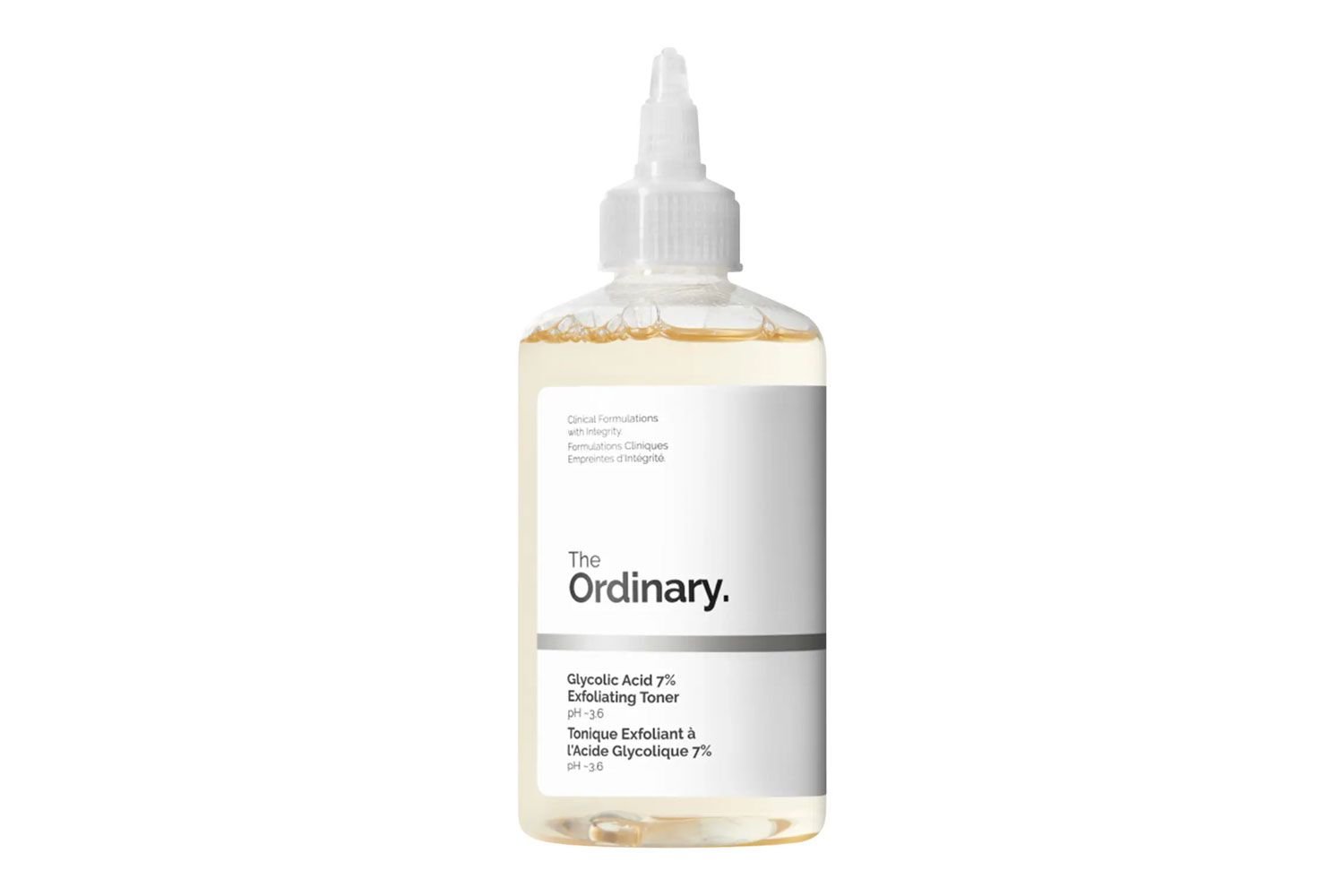
Skincare routine with glycolic acid has earned its reputation as a powerhouse treatment, and at 7% concentration, it offers an excellent balance between effectiveness and tolerability. But if you’ve just added it to your routine, you’re probably wondering: when will I actually see results?
The answer depends on several factors, including your skin concern, consistency of use, and individual skin type. Here’s what the science and dermatological experience tell us about realistic timelines.
GET YOUR BOTTLE NOW – CLICK HERE FOR BEST PRICE →
Timeline for Different Skin Concern
Immediate Effects (1-3 Days)
Your skin may feel smoother and look slightly brighter almost immediately. This is due to the removal of surface dead skin cells. However, these initial changes are subtle and temporary.
Dullness and Rough Texture (2-4 Weeks)
One of the quickest improvements you’ll notice is enhanced radiance and smoother texture. As glycolic acid accelerates cell turnover, fresh, healthy skin cells rise to the surface, creating a more luminous complexion. Most users report noticeable improvements within 2-4 weeks of consistent use.
Fine Lines and Wrinkles (6-12 Weeks)
Glycolic acid stimulates collagen production and improves skin elasticity, but these changes take time. Visible reduction in fine lines typically appears after 6-8 weeks, with more significant improvements emerging around the 12-week mark with continued use.
Hyperpigmentation and Dark Spots (8-12 Weeks)
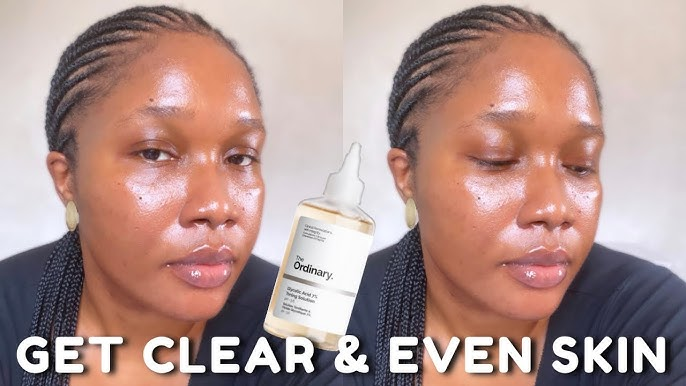
Fading dark spots, sun damage, and post-inflammatory hyperpigmentation requires patience. Glycolic acid works by accelerating the turnover of pigmented cells and preventing new melanin formation. Expect to see gradual lightening starting around 8 weeks, with optimal results after 12 weeks or longer for stubborn pigmentation.
Acne and Breakouts (4-8 Weeks)
Glycolic acid helps unclog pores and reduce acne-causing bacteria. You may notice fewer breakouts and clearer pores within 4-6 weeks. However, some users experience an initial “purging” phase in weeks 2-4 as the acid brings underlying congestion to the surface.
Enlarged Pores (6-8 Weeks)
As glycolic acid exfoliates and unclogs pores, they can appear smaller and more refined. Visible improvements typically emerge around 6-8 weeks with consistent use.
Maximizing Your Results
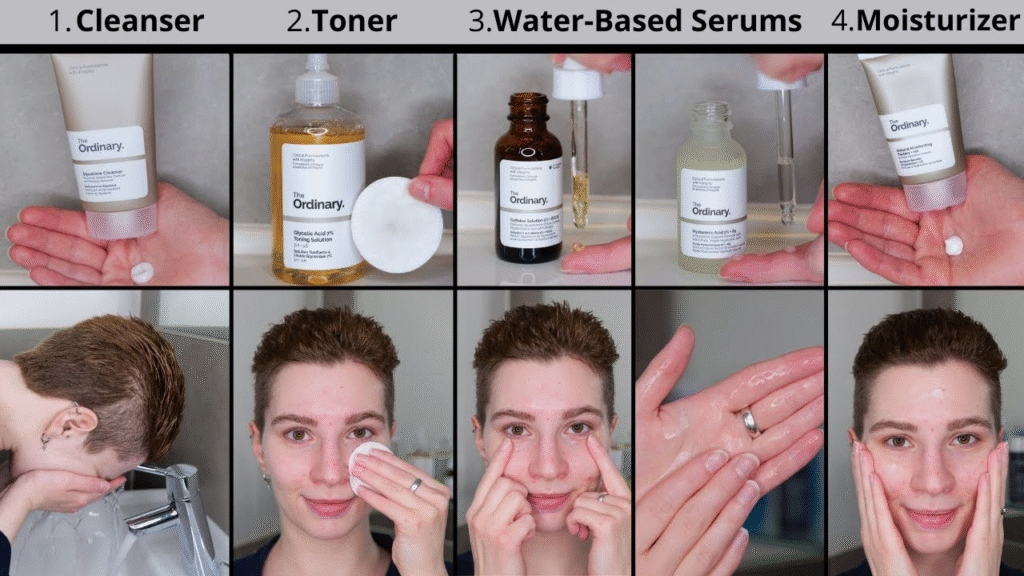
Consistency is key. Use your glycolic acid 7% product as directed—typically 2-3 times weekly for beginners, working up to nightly use as tolerated. Skipping applications or using it sporadically will delay results.
Sun protection is essential. Glycolic acid increases sun sensitivity, making diligent SPF use non-negotiable. Without proper sun protection, you risk hyperpigmentation and may actually worsen the concerns you’re trying to address.
Patience pays off. Skin cell turnover naturally takes about 28 days, and deeper changes require multiple turnover cycles. Rushing the process by over-applying can lead to irritation without faster results.
Support with complementary products. Pair your glycolic acid with hydrating ingredients like hyaluronic acid and niacinamide to support skin barrier health and enhance results.
Important Link: Best skincare Routine
What to Expect
Most users see their first noticeable improvements within 2-4 weeks, with results continuing to build over 12 weeks and beyond. The transformation is gradual rather than dramatic, which is actually ideal for achieving natural-looking, sustainable improvements.
Remember that everyone’s skin responds differently. Factors like age, skin type, lifestyle habits, and the severity of your concerns all influence your individual timeline. If you haven’t seen any improvement after 12 weeks of consistent use, consider consulting a dermatologist for personalized guidance.
Frequently Asked Questions
Can I use glycolic acid 7% every day?
While some people can tolerate daily use, it’s best to start slowly. Begin with 2-3 times per week for the first 2-4 weeks to allow your skin to adjust. If your skin tolerates it well with no irritation, you can gradually increase frequency. Some skin types do best with 3-4 times weekly long-term rather than daily use. Listen to your skin—redness, excessive dryness, or sensitivity are signs to reduce frequency.
Why is my skin breaking out more after starting glycolic acid?
This is likely “purging,” a temporary phase where glycolic acid accelerates cell turnover and brings underlying congestion to the surface faster. Purging typically occurs in weeks 2-4 and should resolve by week 6-8. True purging only happens in areas where you normally break out. If you’re experiencing breakouts in new areas or if it continues beyond 8 weeks, it may be irritation or an adverse reaction—discontinue use and consult a dermatologist.
Should I use glycolic acid in the morning or evening?
Evening application is generally recommended for several reasons. First, you won’t be immediately exposed to UV light, which is important since glycolic acid increases photosensitivity. Second, skin naturally repairs itself during sleep, maximizing the acid’s benefits. Third, it avoids potential interactions with morning vitamin C serums or sunscreen formulations. Always apply sunscreen the next morning regardless of when you use glycolic acid.
Can I combine glycolic acid 7% with other active ingredients?
Yes, but with caution. Avoid using glycolic acid at the same time as other exfoliating acids (like salicylic acid or lactic acid) or retinoids, as this can cause irritation. You can use them on alternate nights or different times of day. Glycolic acid pairs well with hyaluronic acid, niacinamide, and peptides. If you use vitamin C, apply it in the morning and glycolic acid at night. When in doubt, introduce one active ingredient at a time and wait 2-4 weeks before adding another.
What percentage of glycolic acid is best for beginners?
7% is actually an excellent starting concentration for most people. Concentrations below 5% may be too gentle to produce significant results, while concentrations above 10% increase the risk of irritation, especially for beginners. The 7% sweet spot offers meaningful exfoliation while remaining manageable for those new to chemical exfoliants. If you have very sensitive skin, you might start with 5%, or if you’re experienced with acids, you could eventually work up to 10%.
How long should I wait to apply moisturizer after glycolic acid?
Most dermatologists recommend waiting 5-10 minutes after applying glycolic acid before layering other products. This brief wait time allows the acid to work at its optimal pH level without being immediately diluted or buffered by other products. However, if your skin feels too dry or irritated, you can apply moisturizer sooner. Some formulations are designed to be followed immediately by other products, so check your specific product instructions.
Will results disappear if I stop using glycolic acid?
Glycolic acid doesn’t permanently alter your skin structure, so when you stop using it, the beneficial effects will gradually diminish. Cell turnover will slow back to its natural rate, and issues like dullness, texture, and fine lines may slowly return. However, the improvements you’ve made aren’t instantly lost—think of it like exercise. The benefits remain for a period after stopping but will fade without continued use. Many people choose to maintain results with reduced frequency (like once or twice weekly) rather than stopping completely.

Best Amazon Beauty & Grooming Product Reviews
