|
Getting your Trinity Audio player ready... |
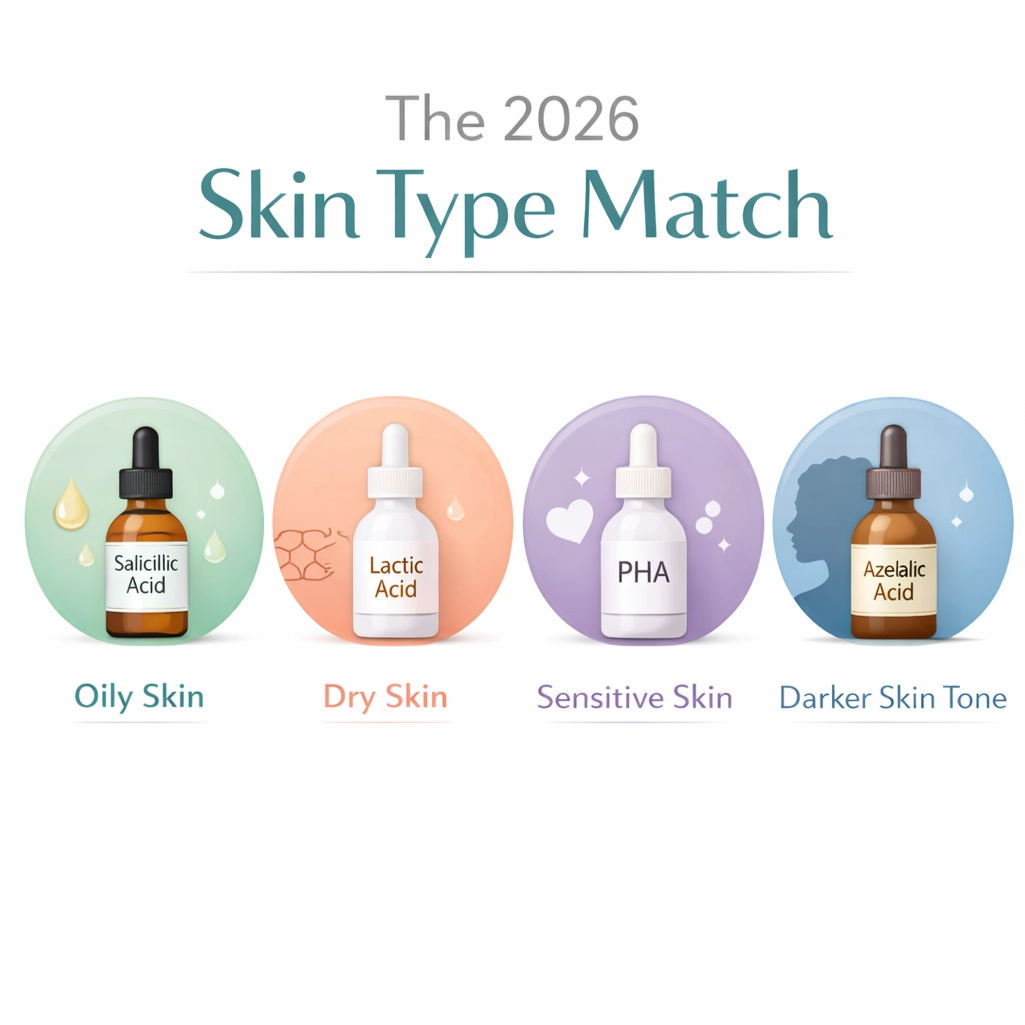
The right exfoliant depends on your skin type and concern. Oily or acne-prone skin does best with salicylic acid (BHA) or benzoyl peroxide. Dry or ageing skin benefits from lactic acid or glycolic acid (AHAs). Sensitive skin should start with a polyhydroxy acid (PHA) or enzyme exfoliant. Physical scrubs work for most types once a week. In 2026, the golden rule is the same as always: go slower than you think you need to.
THE PROBLEM Why Most People Are Exfoliating Wrong in 2026
You’re Not Glowing. You’re Damaged. Here’s the Difference.
There’s a particular kind of skin that looks deceptively radiant in photos but feels tight, stings when you apply serum, and turns red at the slightest touch. That’s not a glow. That’s an impaired skin barrier — and in 2026, it’s arguably the most common skincare mistake dermatologists see across Australia.
The explosion of at-home acids, exfoliating toners, and ‘glass skin’ serums has created an entire generation of over-exfoliated, barrier-stripped skin. People layer AHAs over BHAs, use a vibrating face brush daily, then wonder why their once-resilient complexion became suddenly sensitive in their 30s.
This isn’t a new observation. The beauty community has been sounding the alarm on over-exfoliation for several years — which is exactly why the skinimalism movement is dominating Australian skincare in 2026. Fewer products, used correctly, produce better results than layering 10 actives and hoping for the best.
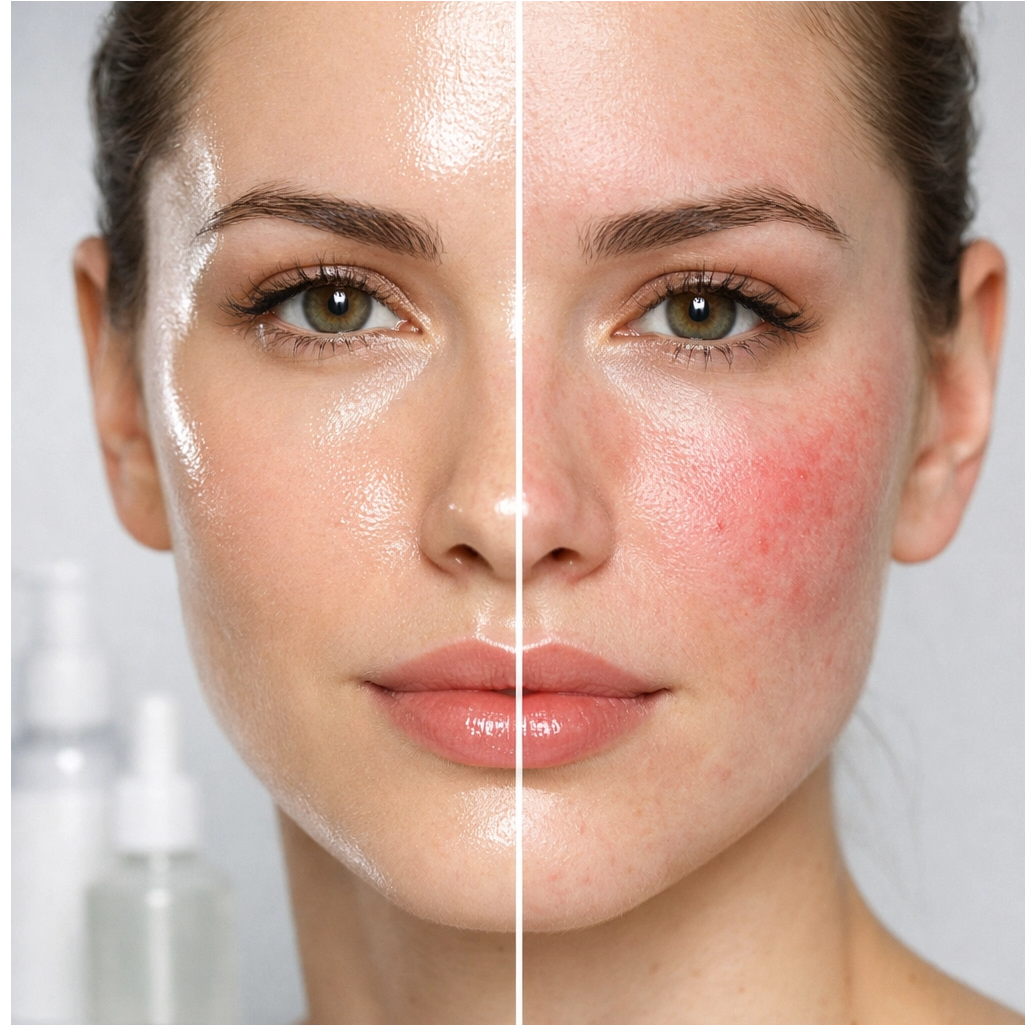
According to the International Journal of Dermatology (2024), over-exfoliation is now cited as the primary cause of acquired skin sensitivity in 34% of patients presenting with new-onset redness and reactivity — up from 18% in 2019.
This guide — Part 3 of our exfoliation series — is about getting the choice right so you can exfoliate consistently, gently, and effectively for the long term. Because a gentler glow-up in 2026 isn’t about how aggressively you exfoliate. It’s about how intelligently you do it.
BARRIER SCIENCE Understand Your Skin Barrier Before You Choose Anything
Your Skin Barrier: The Foundation That Exfoliation Either Protects or Destroys
Before we compare AHAs versus BHAs or physical versus chemical exfoliants, we need to talk about the skin barrier — because it is the single most important factor in your entire skincare routine. Every exfoliation decision you make should pass one test: will this strengthen or weaken my barrier over time?
The skin barrier — technically the stratum corneum — is a thin layer of dead skin cells held together by ceramides, fatty acids, and cholesterol. It keeps moisture in and irritants out. Exfoliation done correctly removes the outermost dead cells to reveal fresh skin underneath. Done incorrectly, it strips the lipid matrix itself, leaving your skin vulnerable to dehydration, sensitivity, and accelerated ageing.
Signs of a compromised barrier: skin feels tight after washing, products sting that didn’t before, new redness or flakiness, increased breakouts in new areas. If you have any of these, pause all exfoliation for 2–4 weeks and rebuild your barrier with ceramides and niacinamide before restarting.
The 2026 Barrier-First Exfoliation Principle
- Start at once per week — increase frequency only after 4 weeks with zero irritation
- Every exfoliation session must be followed by a barrier-supportive moisturiser with ceramides or niacinamide
- Mineral sunscreen is non-negotiable the morning after any chemical exfoliation
- More than two exfoliating products in a routine is almost always counterproductive
If you’re building your routine from scratch, the 2-step skincare framework is an excellent starting point before you introduce any active exfoliants. Master the basics — cleanser, moisturiser, SPF — then layer in exfoliation.
EXFOLIANT TYPES Physical vs Chemical: The Honest 2026 Answer
Physical or Chemical Exfoliation: What Actually Works in 2026
The debate has largely been settled in dermatology: chemical exfoliation produces more consistent, longer-lasting results for most skin concerns, particularly hyperpigmentation, uneven texture, and fine lines. But physical exfoliation still has a valid place — the key is using the right type and the right frequency.
What has changed in 2026 is a more nuanced understanding of how to combine both without damaging the barrier. Products designed to repair your skin after exfoliation — ceramide moisturisers, barrier mists, niacinamide serums — have become just as important as the exfoliant itself. Our review of the Charlotte Tilbury Magic Cream is a good example of a post-exfoliation moisturiser that genuinely earns its place in a routine.
Physical Exfoliants: Strength Guide (2026)
| Exfoliant | Strength | Best For | 2026 Notes |
|---|---|---|---|
| Peeling gel (Korean) | Gentle | All skin types | Still underrated in Western routines. Rolls off dead cells without abrasion. |
| Konjac sponge | Gentle | Sensitive, dry skin | Replace every 4–6 weeks. Dry completely between uses. |
| Jojoba beads | Gentle–Medium | Normal, combo skin | Eco-friendly. Biodegradable. Found in many quality cleansers. |
| Cleansing cloth / muslin | Gentle–Medium | Most skin types | Wash after every use. Cotton cloths gentlest; nylon much stronger. |
| Sugar or salt scrub | Gentle–Strong | Body — not face | Fine sugar dissolves in water. Not recommended for face use. |
| Face brush | Medium–Strong | Oily, congested skin | Easy to overuse. Maximum 3x/week. Replace brush head every 3 months. |
| Apricot kernel / walnut scrub | Strong | Avoid on face | Irregular edges cause micro-tears. Dermatologist consensus: avoid facial use. |
CHEMICAL EXFOLIANTS AHA, BHA, PHA, Benzoyl Peroxide, Azelaic Acid — Complete 2026 Guide
Which Chemical Exfoliant Should You Use? The Definitive 2026 Breakdown
Chemical exfoliants are where most people get overwhelmed — and where most mistakes happen. The ingredient names are confusing, the percentages matter, and the interaction rules are real. Here is the clearest breakdown available for Australian skincare consumers in 2026.
AHAs — For Dry, Ageing, Dull, and Hyperpigmented Skin
AHAs are water-soluble acids that work on the skin’s surface, dissolving the bonds between dead skin cells. They are the best choice for addressing hyperpigmentation, fine lines, dry or flaky texture, and uneven skin tone. They also act as humectants, drawing moisture into the skin.
Glycolic acid (5–10%): The most studied AHA. Smallest molecule, deepest penetration. Excellent for fine lines, age spots, and dull skin. If you’re wondering exactly how long it takes to see results — our guide on how long glycolic acid 7% takes to work gives a timeline by skin concern, with Australian product recommendations.
Lactic acid (5–12%): Gentler than glycolic due to its larger molecule size. Better for sensitive or drier skin. Also hydrating. Recommended for beginners starting with chemical exfoliation. Works well for hyperpigmentation in darker skin tones.
Mandelic acid (5–10%): The gentlest AHA. Antibacterial properties make it suitable for acne-prone skin that also needs brightening. One of the safest options for Fitzpatrick skin types IV–VI.
If you want to work glycolic acid into a complete daily system, our best skincare routine with The Ordinary Glycolic Acid 7% Toner lays out the full product order and timing — including which products to combine and which to keep separate.
BHAs — For Oily, Acne-Prone, and Congested Skin
BHAs are oil-soluble, meaning they can penetrate into the pore lining where AHAs cannot. This makes them the gold standard for blackheads, whiteheads, enlarged pores, and inflammatory acne.
Salicylic acid (0.5–2%): The only widely used BHA. Oil-soluble, anti-inflammatory, and comedolytic (it dissolves the plug in clogged pores). Best chemical exfoliant for oily and acne-prone skin. Patch test if you are aspirin-sensitive. For a deeper look at oil control more broadly, see our guide on choosing an oil-free face wash that balances skin naturally — getting your cleansing step right before you exfoliate makes the BHA significantly more effective.
Benzoyl Peroxide — The Acne-Fighter That’s Not Technically an Exfoliant
‘Benzoyl peroxide’ is one of the most-searched skincare terms in Australia in 2026, with 5,400 monthly searches — and significant confusion about how it differs from BHAs.
Benzoyl peroxide is not an exfoliant in the traditional sense. It works by releasing oxygen into the pore, killing the acnes bacteria responsible for inflammatory acne. This is why it’s so effective for red, pustular breakouts where BHAs alone fall short.
- Use BP at 2.5–5% — higher percentages are no more effective and significantly more irritating
- Apply as a spot treatment or thin layer to acne-prone areas, not the entire face
- BP bleaches fabric — use white towels and pillowcases
- Do not layer directly with retinoids or AHAs on the same application
- Always follow with a ceramide moisturiser to counteract drying
Azelaic Acid (Azclear) — The Underrated Multitasker
‘Azclear’ is searched 4,400 times per month in Australia — one of the fastest-growing skincare ingredient searches in the APAC region in 2026.
Azclear is the Australian brand name for azelaic acid, available at pharmacies in 10% and 15% formulas. Azelaic acid is unique because it simultaneously exfoliates by normalising skin cell turnover, kills acne bacteria like benzoyl peroxide does, AND inhibits melanin production to fade dark spots.
This triple action makes azelaic acid one of the most versatile active ingredients available without a prescription. It’s particularly effective for rosacea, post-inflammatory hyperpigmentation, and acne in darker skin tones — populations that often cannot tolerate glycolic acid at standard concentrations.
Best Use: Apply azelaic acid to clean, dry skin before moisturiser. It can be used morning and evening. Unlike most acids, it does not significantly increase photosensitivity — though sunscreen is still non-negotiable.
PHAs — For Sensitive Skin That Can’t Tolerate AHAs
PHAs (gluconolactone, lactobionic acid) have a larger molecular structure than AHAs, which means far less irritation. They also support barrier function — making them the best entry point for truly sensitive skin. If you have sensitive skin, pairing a PHA exfoliant with natural ingredients that work better for sensitive skin creates one of the most effective and gentle routines available.
Retinol and Retinoids — Exfoliates and Does Far More
Retinoids normalise cell turnover — which technically makes them exfoliants — but their benefits extend far beyond surface exfoliation. They increase collagen production, fade hyperpigmentation, and reduce sebum production. They are particularly effective for ageing skin, where the combination of cell turnover normalisation and collagen stimulation compounds significantly over 6–12 months.
For a comprehensive guide to what actually works for maturing skin — including retinoids in context — see our article on the best skincare for ageing skin which covers product types, timing, and realistic expectations.
Do not combine retinol with AHAs or BHAs in the same application. The combination significantly increases irritation risk. Use retinol on alternate nights to your acid exfoliant. Start retinol at 0.025–0.1% and increase very slowly.
Enzyme Exfoliants — The Gentlest Option Available
Enzyme exfoliants (papain from papaya, bromelain from pineapple) break down the protein bonds holding dead skin cells together, without affecting deeper layers. They are wash-off only and pH-independent. For skin that cannot tolerate any leave-on acid, enzymes are the starting point.
SKIN TYPE GUIDE Your Exact Match: Which Exfoliant for Which Skin Type
The 2026 Skin Type Exfoliant Match Table
| Skin Type / Concern | Best Exfoliant | Avoid | Barrier Support After |
|---|---|---|---|
| Dry / Flaky | Lactic acid 5–8%, PHA | High % glycolic, physical scrubs | Ceramide moisturiser + hydrating serum |
| Oily / Acne-prone | Salicylic acid 1–2%, benzoyl peroxide 2.5% | Thick physical scrubs | Niacinamide serum, lightweight gel moisturiser |
| Sensitive / Reactive | PHA, enzyme (wash-off), mandelic acid | Glycolic acid, strong physical tools | Ceramide-rich moisturiser, fragrance-free |
| Combination skin | Salicylic T-zone + lactic acid cheeks | Same product applied all over | Zone-specific moisturiser |
| Hyperpigmentation (fair skin) | Glycolic acid 8–10%, lactic acid | Physical scrubs over pigmented areas | SPF 50+ mineral sunscreen daily |
| Hyperpigmentation (dark skin IV–VI) | Azelaic acid (Azclear), mandelic acid, lactic acid | High % glycolic, benzoyl peroxide high % | Mineral SPF + barrier repair cream |
| Ageing / Fine lines | Glycolic 8–10%, retinol (alternate nights) | Over-frequency (max 3x/week total) | Ceramides, peptides, rich moisturiser |
| Congested / Blackheads | Salicylic acid 2%, BHA toner | Aggressive physical extraction | Non-comedogenic moisturiser, niacinamide |
TRENDING INGREDIENTS Mineral Sunscreen, Bondi Sands & Barrier Support: The 2026 Stack
The Ingredients That Complete Your Exfoliation Routine in 2026
Choosing the right exfoliant is only half the equation. What you apply after exfoliation determines whether your routine strengthens or gradually damages your skin. Here is the complete 2026 barrier support stack for Australian consumers.
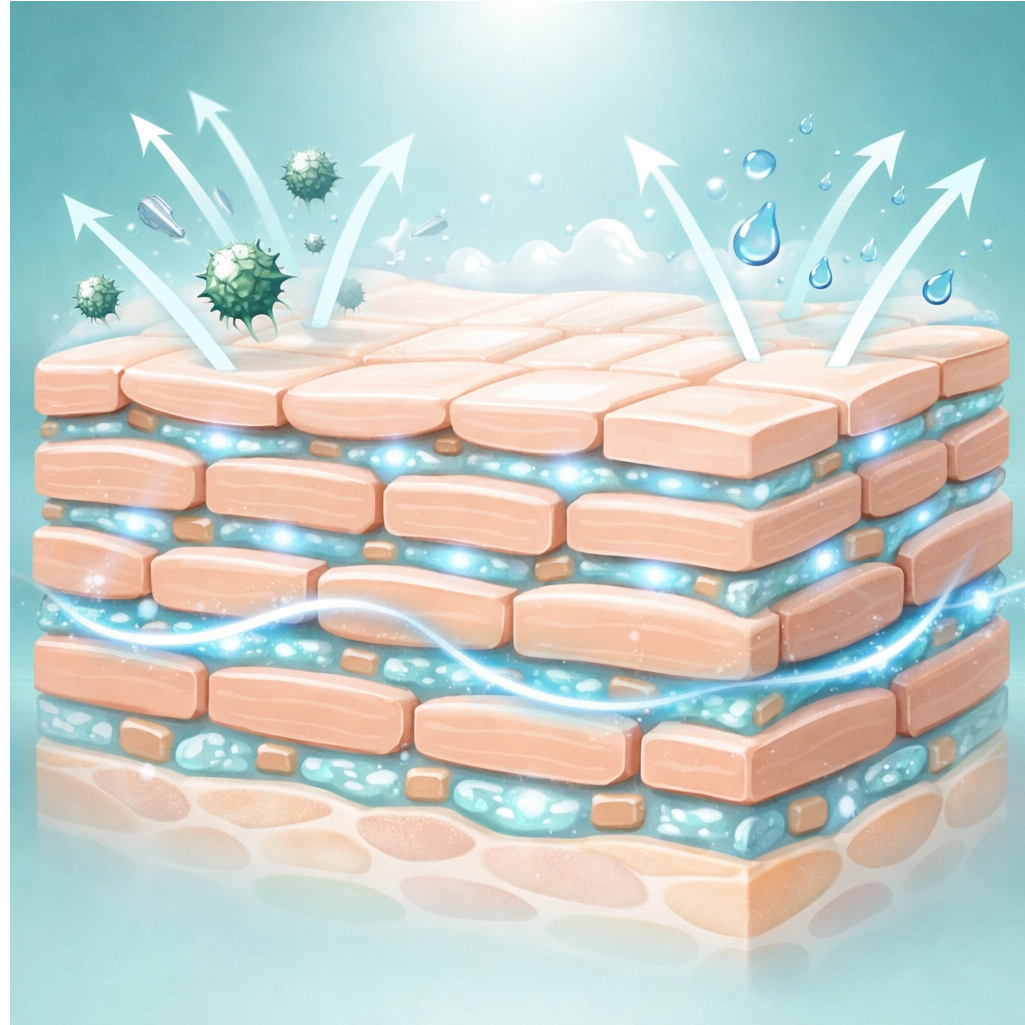
Mineral Sunscreen — Non-Negotiable After Every Chemical Exfoliation
‘Mineral sunscreen’ is searched 3,600 times per month in Australia. Dermatologists in 2026 are near-unanimous: it is the most important product in any routine that includes chemical exfoliation.
Chemical exfoliants — particularly AHAs — increase UV sensitivity for up to 7 days after use. Skipping sunscreen after acid exfoliation actively undoes the brightening benefits you applied the night before, and creates new hyperpigmentation in the process.
Mineral sunscreen (zinc oxide and/or titanium dioxide) is preferred over chemical sunscreen for post-exfoliation use because it reflects UV rather than absorbing into a sensitised barrier. SPF 50+ is the recommendation. For Australian travel and outdoor settings, this travel skincare guide covers the best mineral SPF options to pack alongside your exfoliants.
Bondi Sands Gradual Tan — The Exfoliation Connection
‘Bondi Sands gradual tan’ is searched 3,600 times per month — and a significant portion of those searches relate to achieving an even result, which is entirely dependent on correct exfoliation beforehand.
Bondi Sands Gradual Tan is a self-tanning moisturiser that builds colour incrementally. The connection to exfoliation is direct: self-tanner applied to unexfoliated skin develops unevenly, collecting in dry patches and over dead skin cells.
Correct routine: exfoliate 24 hours before application (use a gentle physical exfoliant or AHA the night before), allow skin to fully recover, then apply gradual tan to clean, lightly moisturised skin. Do not exfoliate for 48 hours after application.
Do not apply self-tanner immediately after chemical exfoliation. The sensitised skin will absorb the DHA tanning compound unevenly and may cause irritation. Always wait 24 hours after any acid use.
Ceramide Moisturiser — The Essential Step After Every Exfoliation
Every exfoliation session — physical or chemical — should end with a ceramide-rich moisturiser. Ceramides are the lipids that make up the skin barrier itself, and replenishing them after exfoliation accelerates barrier recovery and prevents the post-acid tightness that many people mistake for ‘tightening’ (it’s actually dehydration). Our guide to choosing the right face moisturiser covers exactly which formulas pair best with each exfoliant type.
The 4-2-4 Rule — Apply Your Products Correctly After Exfoliation
Even with the right exfoliant and the right moisturiser, product application timing matters. The 4-2-4 skincare rule is a simple framework that ensures each product in your routine has the correct wait time to absorb fully before the next layer — particularly important when layering active exfoliants with serums and SPF.
HOW TO START The 2026 Gentle Introduction Protocol
How to Introduce Exfoliation Into Your Routine Without Wrecking Your Barrier
Step 1: Reset First
If you’re currently using any exfoliating products, stop all of them for 2 weeks. Return to a basic routine: gentle cleanser, ceramide moisturiser, SPF. This is exactly the philosophy behind skinimalism — fewer products, used correctly. Your skin cannot give you accurate feedback on a new exfoliant while it’s already overwhelmed with actives.
Step 2: Cleanse Correctly Before You Exfoliate
Exfoliation only works on clean skin. If your cleansing step is removing make-up and pollution incompletely, your exfoliant is working against a layer of barrier-compromising debris rather than dead skin cells. This is where double cleansing makes a real difference — it ensures your skin is genuinely clean before any acid or scrub touches it.
Step 3: Choose One Exfoliant Based on Your Skin Type
Use the skin type table above to identify your best starting exfoliant. If you’re unsure, lactic acid 5% is the safest beginner chemical exfoliant for most skin types. If you prefer physical, a konjac sponge 2–3x per week is a reasonable starting point.
Step 4: Introduce Once Per Week for the First Month
Apply your chosen exfoliant once per week. Observe carefully for redness, tightness, stinging that persists past 15 minutes, or new breakouts. If none appear after 4 weeks, increase to twice per week.
Step 5: Follow With Barrier Support Every Time
Every exfoliation session: exfoliant → ceramide moisturiser → (next morning) mineral sunscreen. On the mornings after evening exfoliation, add SPF before anything else. Building this sequence into a consistent morning and evening routine is what separates 24/7 glow results from patchy, reactive skin.
Step 6: Add a Second Exfoliant Only After 3 Months
Once your skin tolerates your first exfoliant at twice per week with zero irritation, you can consider adding a second — only to address a concern your first exfoliant doesn’t handle. Never use two exfoliants on the same day.
The patience rule: It takes 4–6 weeks to see meaningful results from a new exfoliant because that’s a full skin cell turnover cycle. Commit to 6 weeks before judging any new exfoliant.
Questions People Ask Google — Answered Directly
What is the best exfoliant for oily acne-prone skin?
Salicylic acid 1–2% is the gold standard. It is oil-soluble, penetrates the pore lining to dissolve blackheads, and prevents new congestion from forming. For inflammatory (red, pustular) acne, add benzoyl peroxide 2.5% as a spot treatment. Pair with an oil-free cleanser — our guide on the best oil-free face wash for oily skin covers exactly which cleansers prepare the skin optimally before your BHA.
Is glycolic acid toner good for daily use?
No. Even a 7% glycolic acid toner should not be used daily for most people. Start at 2–3x per week maximum and assess tolerance over 4 weeks before increasing. The exception is very low concentration toners (under 3%) which some people tolerate nightly. For a specific routine and product recommendations, see how long it takes to see results from glycolic acid 7%.
Can I use AHA and BHA together?
Yes, but not in the same step on the same night — especially for beginners. A practical approach is to use salicylic acid (BHA) one night and glycolic or lactic acid (AHA) another night, alternating. Once your skin demonstrates tolerance to both separately over 4–6 weeks, some people can layer them sequentially, but this is not necessary for most people.
What is Azclear and how is it different from regular exfoliants?
Azclear is a brand of azelaic acid available at Australian pharmacies (10% and 15%). Azelaic acid simultaneously normalises skin cell turnover (exfoliation), kills acne bacteria, and inhibits melanin production. This triple action makes it particularly valuable for darker skin tones and rosacea, where glycolic acid and benzoyl peroxide are often too irritating.
Should I exfoliate before applying Bondi Sands gradual tan?
Yes — exfoliate 24 hours before applying any self-tanner. Do not exfoliate immediately before as this sensitises the skin and causes uneven DHA absorption. Use a gentle physical exfoliant or AHA the night before, allow recovery, then apply gradual tan to clean, lightly moisturised skin. Wait 48 hours after tanner application before your next exfoliation.
What skincare should I use alongside exfoliants for ageing skin?
For ageing skin, the most effective combination is glycolic acid or lactic acid (AHA) alternated with retinol on separate nights. The AHA improves texture and brightness; the retinol stimulates collagen and normalises cell turnover at a deeper level. Support with ceramide moisturiser and SPF 50+ daily. For the full guide, including specific Australian product picks, see the best skincare for ageing skin.
FAQ: Choosing the Right Exfoliant in 2026
Q: How often should I exfoliate?
A: Once per week for the first month of any new exfoliant. Increase to twice per week after 4 weeks if no irritation occurs. The maximum most dermatologists recommend for chemical exfoliation is 3 times per week for non-sensitive skin. Physical exfoliation: 1–2 times per week is typically sufficient.
Q: Should I exfoliate in the morning or at night?
A: Night is strongly preferred for chemical exfoliation because AHAs increase photosensitivity. If you exfoliate at night, mineral sunscreen the following morning is non-negotiable. Physical exfoliation can be done in either session. For a complete system of what to apply morning versus night, our morning vs night skincare guide maps every product to the optimal time.
Q: Is affordable exfoliant skincare as effective as luxury?
A: For chemical exfoliants specifically — yes, in most cases. The Ordinary Glycolic Acid 7% Toner at under $10 outperforms many $80+ products on the same mechanism. The affordable vs luxury skincare guide for Australia 2026 breaks down exactly where to spend and where to save across every product category.
Q: My skin is tingling after applying AHA. Is that normal?
A: A mild tingle for 2–5 minutes is common and generally normal. Stinging that persists past 10–15 minutes, burning, or visible redness indicates the product is too strong or your barrier is compromised. Rinse off immediately with cool water, apply a gentle ceramide moisturiser, and either switch to a lower concentration or switch to lactic acid.
Q: Can I use an exfoliant while travelling?
A: Yes, but scale back to once per week during travel. Plane cabin air is dehydrating, and UV exposure at altitude is higher, which means barrier support and SPF become even more important. See the travel skincare essentials guide for a complete kit list including exfoliant-compatible products that survive security screening.
The Bottom Line: Slower, Smarter, Healthier Skin in 2026
The gentler glow-up isn’t a trend. It’s a correction. After years of over-exfoliated, barrier-stripped skin being promoted as ‘glass skin,’ 2026 has brought a return to patience, barrier science, and smarter ingredient choices.
The right exfoliant for your skin is the one your barrier can tolerate consistently — paired with a ceramide moisturiser, mineral sunscreen, and the patience to wait 6 full weeks for results. If you want to explore the full range of Australian skincare products that pair with each exfoliant type, browse the ALsheikh store skincare collection.
One exfoliant. One barrier-repair moisturiser. One mineral sunscreen. Repeat for 6 weeks. Then reassess. Consistency over complexity — every single time.
More From ALsheikh — Related Reading (All Links Live)
Every link in this table goes to a published article or product page on alsheikh.com.au:
| Article / Page | Why It’s Relevant to This Blog |
|---|---|
| Why Your Skin Barrier Is the Secret to a Lasting Glow | Deep dive into barrier function — read before exfoliating |
| Skinimalism 2.0: Why Less Is More for Healthy Skin 2026 | The philosophy that makes exfoliation work long-term |
| How Long Glycolic Acid 7% Takes to Show Results | Timeline + Australian product recommendations for AHAs |
| Best Skincare Routine with The Ordinary Glycolic Acid 7% | Full product order for a glycolic acid routine |
| The Best Skincare for Ageing Skin | Retinol + AHA combinations for mature skin |
| Double Cleansing: The Secret to a Fresh-Face Glow | How to prepare skin correctly before any exfoliant |
| How to Pick an Oil-Free Face Wash That Balances Skin | Foundation for oily skin exfoliation routines |
| Choosing the Right Face Moisturiser | Which moisturisers pair best with each exfoliant type |
| What Is the 4-2-4 Rule in Skincare? | Product timing after applying actives and exfoliants |
| Morning vs Night: The Best Skincare Routine for 24/7 Glow | When to apply exfoliants AM vs PM in a full routine |
| 2-Step Skincare Routine: Day to Night | Best starting point before introducing exfoliants |
| Why Natural Ingredients Work Better for Sensitive Skin | Best post-exfoliation ingredients for reactive skin |
| Travel Skincare Essentials to Prevent Dull Skin | SPF + exfoliant kit for travellers |
| Affordable vs Luxury Skincare 2026 | Where exfoliant budget matters and where it doesn’t |
| Charlotte Tilbury Magic Cream Review | Top post-exfoliation moisturiser reviewed in depth |
| The Ordinary Brightening Exfoliant — Product Page | Recommended AHA exfoliant available at ALsheikh |
| Shop All Skincare — ALsheikh Store | Browse exfoliants, moisturisers, SPF, and serums |

Best Amazon Beauty & Grooming Product Reviews